Buy patriziaspadafora.eu ?
We are moving the project
patriziaspadafora.eu .
Are you interested in purchasing the domain
patriziaspadafora.eu ?
domain@kv-gmbh.de · 0541-91531010
Buy patriziaspadafora.eu ?
Is tinplate harmful?
Tinplate itself is not harmful, as it is a thin sheet of steel coated with a layer of tin. However, if the tin coating is damaged or if the tinplate is used to store acidic or alkaline foods for a long time, it can lead to the release of tin into the food, which can be harmful if consumed in large quantities. It is important to ensure that tinplate containers are in good condition and to avoid storing highly acidic or alkaline foods in them for extended periods of time to minimize the risk of tin contamination. **
Can someone evaluate the recycling of tinplate for me?
The recycling of tinplate is considered to be highly beneficial for the environment. Tinplate is a valuable material that can be recycled multiple times without losing its quality. By recycling tinplate, we can reduce the need for raw materials, save energy, and lower greenhouse gas emissions. Overall, the recycling of tinplate is a sustainable practice that helps to conserve resources and protect the planet. **


Similar search terms for Tinplate
Top-Angebote
Products related to Tinplate:
-
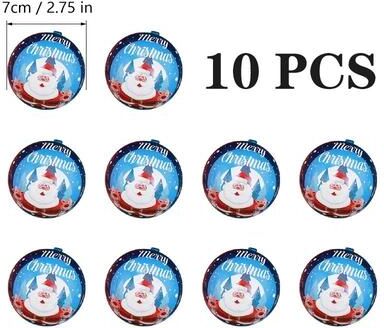
Uplift Essentials Tinplate Christmas Ball Candy Box Ornaments set ABring a delightful dash of oldworld holiday charm and festive organization to your holiday tree. Our premium tinplate Christmas ball candy box set offers an exceptionally durable, beautifully dualpurpose holiday accessory designed to enchant...34,97 $*Shipping: 0,00 $Secure redirect to the provider
-
Can someone assess the recycling of tinplate for me?
Assessing the recycling of tinplate involves evaluating the process of collecting, sorting, and processing tinplate materials to be reused in manufacturing. This assessment would include analyzing the efficiency of collection systems, the quality of recycled tinplate produced, and the environmental benefits of recycling tinplate compared to producing new materials. Additionally, it would be important to consider the economic feasibility and market demand for recycled tinplate products. **
-
Why are beverage cans made of aluminum instead of tinplate?
Beverage cans are made of aluminum instead of tinplate because aluminum is lighter, more malleable, and more resistant to corrosion than tinplate. This makes aluminum cans easier to transport, shape, and store, while also ensuring the quality and freshness of the beverage inside. Additionally, aluminum is more sustainable as it can be recycled indefinitely without losing its quality, making it a more environmentally friendly choice for packaging beverages. **
-
Why are beverage cans made from aluminum instead of tinplate?
Beverage cans are made from aluminum instead of tinplate because aluminum is lighter, more malleable, and has better corrosion resistance than tinplate. This makes aluminum cans more cost-effective to produce and transport. Additionally, aluminum is also more sustainable as it can be recycled indefinitely without losing its quality, making it a more environmentally friendly choice for beverage packaging. **
-
What material are beverage cans made of, aluminum or tinplate?
Beverage cans are typically made of aluminum. Aluminum is lightweight, durable, and resistant to corrosion, making it an ideal material for beverage packaging. Tinplate, on the other hand, is a thin steel sheet coated with a layer of tin, and is more commonly used for food cans and other types of packaging. **
Which baking pan is the best: ceramic, non-stick coating, tinplate, or silicone?
The best baking pan depends on the specific recipe and personal preference. Ceramic pans are durable and provide even heat distribution, making them great for baking. Non-stick coating pans are convenient for easy release of baked goods and easy cleaning. Tinplate pans are traditional and provide a classic look, but may require greasing to prevent sticking. Silicone pans are flexible and easy to clean, but may not provide as crisp of a crust on baked goods. Ultimately, the best baking pan will depend on the specific needs of the recipe and the baker's preferences. **
Should one tinplate an old-timer car body before or after cathodic KTL immersion coating?
It is recommended to tinplate the old-timer car body before the cathodic KTL immersion coating. Tinplating helps to improve the adhesion of the coating to the substrate, providing better corrosion protection and overall durability. By applying the tinplate first, the KTL coating will adhere more effectively, ensuring a longer-lasting finish for the vintage car body. **
Top-Angebote
Products related to Tinplate:
-
Bronzhaus Handmade Grey And Red Medium Scale Tinplate 1952 Citroen Vintage Car FigurineDecorate for any table, desk, or shelf in sporty fashion with Our Rustic 1952 Citeron 2CV. Featuring a rustic iron frame, this charming vintage Classic Car includes a fine details. The Grey and Red metal Exterior are finished in natural colors.93,49 $*Shipping: 0,00 $Secure redirect to the provider
-
Uplift Essentials Tinplate Christmas Ball Candy Box Ornaments set CBring a delightful dash of oldworld holiday charm and festive organization to your holiday tree. Our premium tinplate Christmas ball candy box set offers an exceptionally durable, beautifully dualpurpose holiday accessory designed to enchant...34,97 $*Shipping: 0,00 $Secure redirect to the provider
-
Uplift Essentials Tinplate Christmas Ball Candy Box Ornaments set ABring a delightful dash of oldworld holiday charm and festive organization to your holiday tree. Our premium tinplate Christmas ball candy box set offers an exceptionally durable, beautifully dualpurpose holiday accessory designed to enchant...34,97 $*Shipping: 0,00 $Secure redirect to the provider
-
Is tinplate harmful?
Tinplate itself is not harmful, as it is a thin sheet of steel coated with a layer of tin. However, if the tin coating is damaged or if the tinplate is used to store acidic or alkaline foods for a long time, it can lead to the release of tin into the food, which can be harmful if consumed in large quantities. It is important to ensure that tinplate containers are in good condition and to avoid storing highly acidic or alkaline foods in them for extended periods of time to minimize the risk of tin contamination. **
-
Can someone evaluate the recycling of tinplate for me?
The recycling of tinplate is considered to be highly beneficial for the environment. Tinplate is a valuable material that can be recycled multiple times without losing its quality. By recycling tinplate, we can reduce the need for raw materials, save energy, and lower greenhouse gas emissions. Overall, the recycling of tinplate is a sustainable practice that helps to conserve resources and protect the planet. **
-
Can someone assess the recycling of tinplate for me?
Assessing the recycling of tinplate involves evaluating the process of collecting, sorting, and processing tinplate materials to be reused in manufacturing. This assessment would include analyzing the efficiency of collection systems, the quality of recycled tinplate produced, and the environmental benefits of recycling tinplate compared to producing new materials. Additionally, it would be important to consider the economic feasibility and market demand for recycled tinplate products. **
-
Why are beverage cans made of aluminum instead of tinplate?
Beverage cans are made of aluminum instead of tinplate because aluminum is lighter, more malleable, and more resistant to corrosion than tinplate. This makes aluminum cans easier to transport, shape, and store, while also ensuring the quality and freshness of the beverage inside. Additionally, aluminum is more sustainable as it can be recycled indefinitely without losing its quality, making it a more environmentally friendly choice for packaging beverages. **
Similar search terms for Tinplate
-
Why are beverage cans made from aluminum instead of tinplate?
Beverage cans are made from aluminum instead of tinplate because aluminum is lighter, more malleable, and has better corrosion resistance than tinplate. This makes aluminum cans more cost-effective to produce and transport. Additionally, aluminum is also more sustainable as it can be recycled indefinitely without losing its quality, making it a more environmentally friendly choice for beverage packaging. **
-
What material are beverage cans made of, aluminum or tinplate?
Beverage cans are typically made of aluminum. Aluminum is lightweight, durable, and resistant to corrosion, making it an ideal material for beverage packaging. Tinplate, on the other hand, is a thin steel sheet coated with a layer of tin, and is more commonly used for food cans and other types of packaging. **
-
Which baking pan is the best: ceramic, non-stick coating, tinplate, or silicone?
The best baking pan depends on the specific recipe and personal preference. Ceramic pans are durable and provide even heat distribution, making them great for baking. Non-stick coating pans are convenient for easy release of baked goods and easy cleaning. Tinplate pans are traditional and provide a classic look, but may require greasing to prevent sticking. Silicone pans are flexible and easy to clean, but may not provide as crisp of a crust on baked goods. Ultimately, the best baking pan will depend on the specific needs of the recipe and the baker's preferences. **
-
Should one tinplate an old-timer car body before or after cathodic KTL immersion coating?
It is recommended to tinplate the old-timer car body before the cathodic KTL immersion coating. Tinplating helps to improve the adhesion of the coating to the substrate, providing better corrosion protection and overall durability. By applying the tinplate first, the KTL coating will adhere more effectively, ensuring a longer-lasting finish for the vintage car body. **
* All prices are inclusive of VAT and, if applicable, plus shipping costs. The offer information is based on the details provided by the respective shop and is updated through automated processes. Real-time updates do not occur, so deviations can occur in individual cases. ** Note: Parts of this content were created by AI.