Buy patriziaspadafora.eu ?
We are moving the project
patriziaspadafora.eu .
Are you interested in purchasing the domain
patriziaspadafora.eu ?
domain@kv-gmbh.de · 0541-91531010
Buy patriziaspadafora.eu ?
What is self-mummification?
Self-mummification, also known as sokushinbutsu, is a process practiced by Buddhist monks in Japan during the 11th to 19th centuries. It involves a strict diet and meditation regimen to eliminate body fat and moisture, followed by being buried alive in a small underground chamber with a breathing tube and bell. The monk would continue meditating until death, at which point the tomb would be sealed. Over several years, the body would naturally mummify due to the lack of moisture and oxygen, resulting in a preserved and revered relic. This practice was believed to demonstrate the monk's spiritual enlightenment and dedication to the path of enlightenment. **
What is the difference between mummification and embalming?
Mummification and embalming are both processes used to preserve a body after death, but they have different cultural and historical origins. Mummification is a method of preservation that was practiced in ancient Egypt, where the body was dehydrated and wrapped in linen bandages. Embalming, on the other hand, is a more modern process that involves the use of chemicals to temporarily preserve the body for viewing at a funeral or memorial service. While mummification was associated with religious beliefs and the afterlife in ancient Egypt, embalming is often used in contemporary Western cultures for practical and aesthetic reasons. **

Similar search terms for Mummification
Top-Angebote
Products related to Mummification:
-
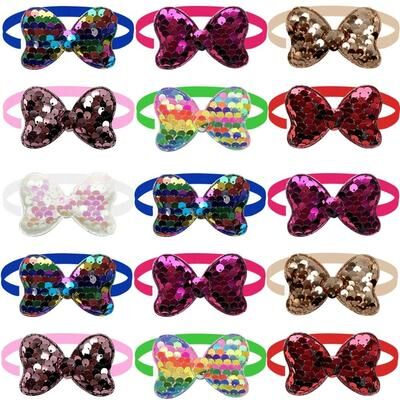
Uplift Essentials Sequin Style Pet Bow Tie Set High Fashion Grooming Accessories For Dogs & Cats (50 Piece Bulk Pack) Sequin Style Pet Bow Tie Set High Fashion Grooming Accessories For Dogs & Cats (50 Piece Bulk Pack)Elevate your pets aesthetic for any special occasion with our Professional Sequin Style Pet Bow Tie Set. Specifically engineered for highvisibility fashion and professional grooming finishes, this 50piece collection features a stunning array of...74,97 $*Shipping: 0,00 $Secure redirect to the provider
-
DynamicDeals Gold Bracelet Amber Jewelry Quartz Oval Wristwatch For Women, Luxury Elegant Ladies Watch, Retro Fashion Style whiteTimeless Elegance Meets Modern Fashion Introducing the 2025 New Fashion Retro Original Ladies Watch a perfect blend of sophistication and vintage allure. Crafted for the modern woman who appreciates timeless design, this stunning piece effortlessly...57,97 $*Shipping: 0,00 $Secure redirect to the provider
-
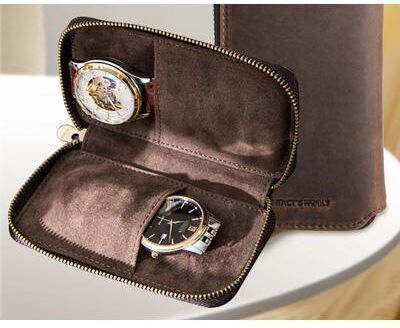
Multicon Wholesale Hub Portable Leather Watch Case Travel Jewelry Storage Organizer For Watches & Accessories Portable Leather Watch Case Travel Jewelry Storage Organizer For Watches & AccessoriesKeep your valuable watches safe and organized wherever you go with this Portable Leather Watch Case(without watches). Designed with both style and functionality in mind, this compact storage solution is perfect for travelers and watch enthusiasts...64,97 $*Shipping: 0,00 $Secure redirect to the provider
-
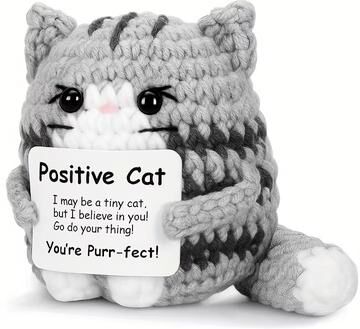
Inspired Finds Handmade Cat Accessories With Positive Energy Cards Anime Style Polyester Home Decor Gift as ShownBring charm, inspiration and a playful animeinspired aesthetic to your space with these Handmade Cat Accessories with Positive Energy Cards, crafted in softtouch polyester and designed to decorate your home without needing electricity. Ideal for...42,99 $*Shipping: 0,00 $Secure redirect to the provider

-
What do you think of mummification with duct tape?
Mummification with duct tape is not a traditional or historically accurate method of preserving a body. Duct tape is not designed for this purpose and may not effectively prevent decomposition. It is important to respect cultural practices and use proper methods when handling human remains. **
-
What do you think about mummification with duct tape?
Mummification with duct tape seems like a creative and unconventional approach to preserving a body. However, it is not a traditional or scientifically proven method of mummification. The use of duct tape may not provide the same level of preservation and care as the ancient Egyptian mummification process, which involved removing organs and using natural preservatives. It's important to approach the topic with respect for cultural traditions and scientific methods of preservation. **
-
Was mummification in ancient Egypt also a punishment for criminals?
No, mummification in ancient Egypt was not a punishment for criminals. Mummification was a sacred and ritualistic process that was reserved for the elite and those of high social status, such as pharaohs, nobles, and priests. It was believed to be a way to preserve the body for the afterlife and ensure the individual's continued existence in the next world. Criminals and lower-class individuals were typically buried in simpler graves without the elaborate mummification process. **
-
Were Egyptian mummies wealthy before mummification, or could anyone be mummified?
In ancient Egypt, mummification was a practice available to individuals from various social classes, not just the wealthy. While wealthier individuals could afford more elaborate mummification processes and burial goods, mummification was not exclusive to the wealthy. Commoners and individuals of lower social status could also be mummified, although their mummification process and burial would likely be simpler in comparison to those of the wealthy. The belief in the afterlife and the preservation of the body through mummification was an important aspect of Egyptian culture, accessible to a range of individuals in society. **
Were Egyptian mummies rich before mummification, or could anyone be mummified?
In ancient Egypt, mummification was a practice that was primarily reserved for the wealthy and elite members of society. The process of mummification was expensive and time-consuming, involving various rituals and preservation techniques. Therefore, only those who could afford it, such as pharaohs, nobles, and high-ranking officials, were mummified. Common people in ancient Egypt were typically buried in simpler graves without the elaborate mummification process. **
Why were the organs removed during mummification, but not the heart?
The organs were removed during mummification because they were believed to be unnecessary in the afterlife, and the removal also helped to prevent decay. However, the heart was left in place because it was considered to be the center of a person's being and the source of their emotions and intellect. It was believed that the heart would be needed in the afterlife for the individual to be able to speak and think. Therefore, the heart was left intact and preserved in the body during the mummification process. **
Top-Angebote
Products related to Mummification:
-
Multicon Wholesale Hub Cigar Glass On Top Cups Drinkware Glass For Whiskey, Tiki Fashion Tumbler Accessories, Crystal Design Cigar Glass On Top Cups Drinkware Glass For Whiskey, Tiki Fashion Tumbler Accessories, Crystal DesignElevate your sipping ritual with this Drinkware Glass for Whiskey, designed for those who appreciate craftsmanship, style, and indulgence in every detail. This elegant glass combines function and luxury by seamlessly pairing your favorite whiskey...79,97 $*Shipping: 0,00 $Secure redirect to the provider
-
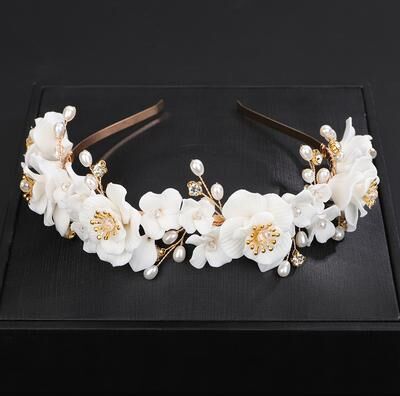
Fashion Sheath Luxury Gold Pearl Rhinestone Bridal Headband Handmade Flower Crown For Weddings, Parties, And Prom Hair Accessories goldTransform your wedding day look with a touch of timeless elegance that captures every light. This exquisite bridal headband features meticulously handwired flowers, lustrous pearls, and shimmering rhinestones designed to make you feel like royalty....49,97 $*Shipping: 0,00 $Secure redirect to the provider
-
Uplift Essentials Sequin Style Pet Bow Tie Set High Fashion Grooming Accessories For Dogs & Cats (50 Piece Bulk Pack) Sequin Style Pet Bow Tie Set High Fashion Grooming Accessories For Dogs & Cats (50 Piece Bulk Pack)Elevate your pets aesthetic for any special occasion with our Professional Sequin Style Pet Bow Tie Set. Specifically engineered for highvisibility fashion and professional grooming finishes, this 50piece collection features a stunning array of...74,97 $*Shipping: 0,00 $Secure redirect to the provider
-
DynamicDeals Gold Bracelet Amber Jewelry Quartz Oval Wristwatch For Women, Luxury Elegant Ladies Watch, Retro Fashion Style whiteTimeless Elegance Meets Modern Fashion Introducing the 2025 New Fashion Retro Original Ladies Watch a perfect blend of sophistication and vintage allure. Crafted for the modern woman who appreciates timeless design, this stunning piece effortlessly...57,97 $*Shipping: 0,00 $Secure redirect to the provider
-
What is self-mummification?
Self-mummification, also known as sokushinbutsu, is a process practiced by Buddhist monks in Japan during the 11th to 19th centuries. It involves a strict diet and meditation regimen to eliminate body fat and moisture, followed by being buried alive in a small underground chamber with a breathing tube and bell. The monk would continue meditating until death, at which point the tomb would be sealed. Over several years, the body would naturally mummify due to the lack of moisture and oxygen, resulting in a preserved and revered relic. This practice was believed to demonstrate the monk's spiritual enlightenment and dedication to the path of enlightenment. **
-
What is the difference between mummification and embalming?
Mummification and embalming are both processes used to preserve a body after death, but they have different cultural and historical origins. Mummification is a method of preservation that was practiced in ancient Egypt, where the body was dehydrated and wrapped in linen bandages. Embalming, on the other hand, is a more modern process that involves the use of chemicals to temporarily preserve the body for viewing at a funeral or memorial service. While mummification was associated with religious beliefs and the afterlife in ancient Egypt, embalming is often used in contemporary Western cultures for practical and aesthetic reasons. **
-
What do you think of mummification with duct tape?
Mummification with duct tape is not a traditional or historically accurate method of preserving a body. Duct tape is not designed for this purpose and may not effectively prevent decomposition. It is important to respect cultural practices and use proper methods when handling human remains. **
-
What do you think about mummification with duct tape?
Mummification with duct tape seems like a creative and unconventional approach to preserving a body. However, it is not a traditional or scientifically proven method of mummification. The use of duct tape may not provide the same level of preservation and care as the ancient Egyptian mummification process, which involved removing organs and using natural preservatives. It's important to approach the topic with respect for cultural traditions and scientific methods of preservation. **
Similar search terms for Mummification
-
Multicon Wholesale Hub Portable Leather Watch Case Travel Jewelry Storage Organizer For Watches & Accessories Portable Leather Watch Case Travel Jewelry Storage Organizer For Watches & AccessoriesKeep your valuable watches safe and organized wherever you go with this Portable Leather Watch Case(without watches). Designed with both style and functionality in mind, this compact storage solution is perfect for travelers and watch enthusiasts...64,97 $*Shipping: 0,00 $Secure redirect to the provider
-
Inspired Finds Handmade Cat Accessories With Positive Energy Cards Anime Style Polyester Home Decor Gift as ShownBring charm, inspiration and a playful animeinspired aesthetic to your space with these Handmade Cat Accessories with Positive Energy Cards, crafted in softtouch polyester and designed to decorate your home without needing electricity. Ideal for...42,99 $*Shipping: 0,00 $Secure redirect to the provider
-
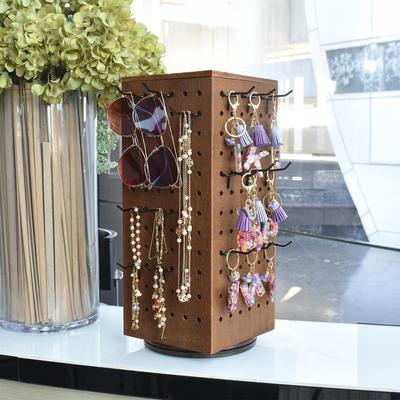
Neuxi Wooden Rotating Four-Sided Pegboard Jewelry Accessories Rack, Brown - SProduct Details Transform your display with our Four-Sided Pegboard and 48 Removable Hooks. Achieve the perfect presentation, whether it's decorative pieces, jewelry, accessories, or more.49,99 $*Shipping: 0,00 $Secure redirect to the provider
-
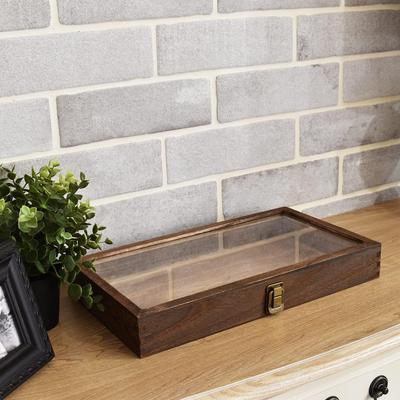
Neuxi Wood Glass Top Jewelry Display Case Accessories Storage Box - SProduct Details Wood Glass Top Jewelry Display Case Accessories Storage Box with Metal Clasp Features WOODEN DISPLAY CASE - This display case is ideal for storing earrings, rings, beads, pins, bracelets, necklaces, brooches, medal and more.21,23 $*Shipping: 0,00 $Secure redirect to the provider
-
Was mummification in ancient Egypt also a punishment for criminals?
No, mummification in ancient Egypt was not a punishment for criminals. Mummification was a sacred and ritualistic process that was reserved for the elite and those of high social status, such as pharaohs, nobles, and priests. It was believed to be a way to preserve the body for the afterlife and ensure the individual's continued existence in the next world. Criminals and lower-class individuals were typically buried in simpler graves without the elaborate mummification process. **
-
Were Egyptian mummies wealthy before mummification, or could anyone be mummified?
In ancient Egypt, mummification was a practice available to individuals from various social classes, not just the wealthy. While wealthier individuals could afford more elaborate mummification processes and burial goods, mummification was not exclusive to the wealthy. Commoners and individuals of lower social status could also be mummified, although their mummification process and burial would likely be simpler in comparison to those of the wealthy. The belief in the afterlife and the preservation of the body through mummification was an important aspect of Egyptian culture, accessible to a range of individuals in society. **
-
Were Egyptian mummies rich before mummification, or could anyone be mummified?
In ancient Egypt, mummification was a practice that was primarily reserved for the wealthy and elite members of society. The process of mummification was expensive and time-consuming, involving various rituals and preservation techniques. Therefore, only those who could afford it, such as pharaohs, nobles, and high-ranking officials, were mummified. Common people in ancient Egypt were typically buried in simpler graves without the elaborate mummification process. **
-
Why were the organs removed during mummification, but not the heart?
The organs were removed during mummification because they were believed to be unnecessary in the afterlife, and the removal also helped to prevent decay. However, the heart was left in place because it was considered to be the center of a person's being and the source of their emotions and intellect. It was believed that the heart would be needed in the afterlife for the individual to be able to speak and think. Therefore, the heart was left intact and preserved in the body during the mummification process. **
* All prices are inclusive of VAT and, if applicable, plus shipping costs. The offer information is based on the details provided by the respective shop and is updated through automated processes. Real-time updates do not occur, so deviations can occur in individual cases. ** Note: Parts of this content were created by AI.