Buy patriziaspadafora.eu ?
We are moving the project
patriziaspadafora.eu .
Are you interested in purchasing the domain
patriziaspadafora.eu ?
domain@kv-gmbh.de · 0541-91531010
Buy patriziaspadafora.eu ?
Aren't lions dangerous?
Yes, lions are wild animals and can be dangerous. They are apex predators and have the ability to hunt and kill large prey. However, lion attacks on humans are rare and typically occur when lions feel threatened or are unable to find their natural prey. It is important to respect their space and behavior when encountering them in the wild. **
Are lions tameable?
Lions are wild animals and not typically considered tameable in the same way that domesticated animals are. While there have been instances of lions being trained and kept in captivity for entertainment or conservation purposes, they still retain their natural instincts and behaviors. Attempting to tame a lion can be dangerous and is not recommended due to the unpredictable nature of these animals. **

Similar search terms for Lions
Top-Angebote
Products related to Lions:
-
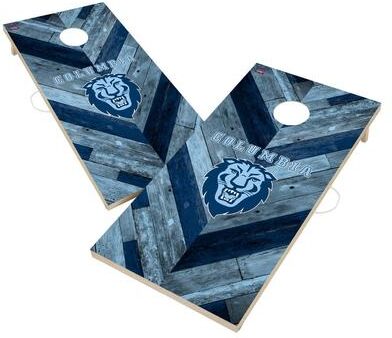
Skip's Garage Columbia University Lions 2x4 Cornhole Boards"These boards are Regulation Sized 2x4 (24"" Wide x 48"" Long). They are built with Premium Wood 1x4 Frames and Solid Wood 2x3's for the legs. Both boards feature a 1/2"" Sanded Birch Plywood Surface for perfect playability."310,99 $*Shipping: 0,00 $Secure redirect to the provider
-
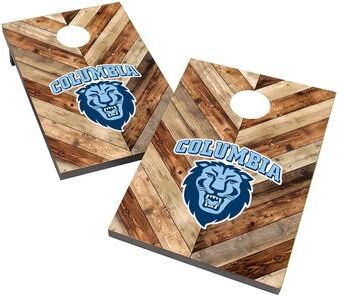
Skip's Garage Columbia University Lions 2x4 Cornhole Boards"These boards are Regulation Sized 2x4 (24"" Wide x 48"" Long). They are built with Premium Wood 1x4 Frames and Solid Wood 2x3's for the legs. Both boards feature a 1/2"" Sanded Birch Plywood Surface for perfect playability."347,99 $*Shipping: 0,00 $Secure redirect to the provider



-
Are there black lions?
No, there are no black lions. Lions typically have a tawny yellow coat with a white underbelly. However, there have been rare instances of lions with darker coats due to a condition called melanism, which causes an overproduction of dark pigment. These lions are often referred to as "black lions," but they are not a separate species and are extremely rare in the wild. **
-
Are black lions real?
No, black lions are not real. Lions typically have a tawny coat with a lighter underside, and there is no evidence to suggest that black lions exist in the wild. The misconception of black lions may stem from rare genetic conditions that can cause some lions to have darker fur, but true black lions do not exist. **
-
Where do lions sleep?
Lions typically sleep in shaded areas such as under trees or bushes to escape the heat of the sun during the day. They may also rest in tall grass or rocky outcrops to camouflage themselves and avoid detection by prey or predators. Lions are known to be crepuscular animals, meaning they are most active during dawn and dusk, so they often rest during the hottest parts of the day. **
-
What do lions eat?
Lions are carnivores and primarily eat large mammals such as zebras, wildebeest, and buffalo. They may also prey on smaller animals like hares, birds, and reptiles. **


Can lions be tamed?
Lions are wild animals and have natural instincts that make them difficult to tame. While it is possible to train lions to a certain extent, they are not truly domesticated like dogs or cats. Even when raised in captivity, lions can still exhibit unpredictable and dangerous behavior. Therefore, it is not recommended to attempt to tame a lion as a pet. **
Why don't lions meow?
Lions don't meow because they are part of the big cat family, which includes tigers, leopards, and jaguars. These big cats have a specialized larynx and vocal cords that allow them to roar instead of meow. Roaring requires a longer and more flexible larynx, which is why lions are able to produce such powerful and distinctive vocalizations. Meowing is a behavior typically seen in smaller domestic cats, which have different vocal anatomy and communication needs. **
Top-Angebote
Products related to Lions:
-
Skip's Garage Columbia University Lions Cornhole Board Set"These boards are Regulation Sized 2x4 (24"" Wide x 48"" Long). They are built with Premium Wood 1x4 Frames and Solid Wood 2x3's for the legs. Both boards feature a 1/2"" Sanded Birch Plywood Surface for perfect playability."306,49 $*Shipping: 0,00 $Secure redirect to the provider
-
Aren't lions dangerous?
Yes, lions are wild animals and can be dangerous. They are apex predators and have the ability to hunt and kill large prey. However, lion attacks on humans are rare and typically occur when lions feel threatened or are unable to find their natural prey. It is important to respect their space and behavior when encountering them in the wild. **
-
Are lions tameable?
Lions are wild animals and not typically considered tameable in the same way that domesticated animals are. While there have been instances of lions being trained and kept in captivity for entertainment or conservation purposes, they still retain their natural instincts and behaviors. Attempting to tame a lion can be dangerous and is not recommended due to the unpredictable nature of these animals. **
-
Are there black lions?
No, there are no black lions. Lions typically have a tawny yellow coat with a white underbelly. However, there have been rare instances of lions with darker coats due to a condition called melanism, which causes an overproduction of dark pigment. These lions are often referred to as "black lions," but they are not a separate species and are extremely rare in the wild. **
-
Are black lions real?
No, black lions are not real. Lions typically have a tawny coat with a lighter underside, and there is no evidence to suggest that black lions exist in the wild. The misconception of black lions may stem from rare genetic conditions that can cause some lions to have darker fur, but true black lions do not exist. **
Similar search terms for Lions
-
Skip's Garage Columbia University Lions 2x4 Cornhole Boards"These boards are Regulation Sized 2x4 (24"" Wide x 48"" Long). They are built with Premium Wood 1x4 Frames and Solid Wood 2x3's for the legs. Both boards feature a 1/2"" Sanded Birch Plywood Surface for perfect playability."310,99 $*Shipping: 0,00 $Secure redirect to the provider
-
Skip's Garage Columbia University Lions 2x4 Cornhole Boards"These boards are Regulation Sized 2x4 (24"" Wide x 48"" Long). They are built with Premium Wood 1x4 Frames and Solid Wood 2x3's for the legs. Both boards feature a 1/2"" Sanded Birch Plywood Surface for perfect playability."347,99 $*Shipping: 0,00 $Secure redirect to the provider
-
Skip's Garage Columbia University Lions 2x4 Cornhole Boards"These boards are Regulation Sized 2x4 (24"" Wide x 48"" Long). They are built with Premium Wood 1x4 Frames and Solid Wood 2x3's for the legs. Both boards feature a 1/2"" Sanded Birch Plywood Surface for perfect playability."347,99 $*Shipping: 0,00 $Secure redirect to the provider
-
Skip's Garage Columbia University Lions 2x4 Cornhole Boards"These boards are Regulation Sized 2x4 (24"" Wide x 48"" Long). They are built with Premium Wood 1x4 Frames and Solid Wood 2x3's for the legs. Both boards feature a 1/2"" Sanded Birch Plywood Surface for perfect playability."368,99 $*Shipping: 0,00 $Secure redirect to the provider
-
Where do lions sleep?
Lions typically sleep in shaded areas such as under trees or bushes to escape the heat of the sun during the day. They may also rest in tall grass or rocky outcrops to camouflage themselves and avoid detection by prey or predators. Lions are known to be crepuscular animals, meaning they are most active during dawn and dusk, so they often rest during the hottest parts of the day. **
-
What do lions eat?
Lions are carnivores and primarily eat large mammals such as zebras, wildebeest, and buffalo. They may also prey on smaller animals like hares, birds, and reptiles. **
-
Can lions be tamed?
Lions are wild animals and have natural instincts that make them difficult to tame. While it is possible to train lions to a certain extent, they are not truly domesticated like dogs or cats. Even when raised in captivity, lions can still exhibit unpredictable and dangerous behavior. Therefore, it is not recommended to attempt to tame a lion as a pet. **
-
Why don't lions meow?
Lions don't meow because they are part of the big cat family, which includes tigers, leopards, and jaguars. These big cats have a specialized larynx and vocal cords that allow them to roar instead of meow. Roaring requires a longer and more flexible larynx, which is why lions are able to produce such powerful and distinctive vocalizations. Meowing is a behavior typically seen in smaller domestic cats, which have different vocal anatomy and communication needs. **
* All prices are inclusive of VAT and, if applicable, plus shipping costs. The offer information is based on the details provided by the respective shop and is updated through automated processes. Real-time updates do not occur, so deviations can occur in individual cases. ** Note: Parts of this content were created by AI.