Buy patriziaspadafora.eu ?
We are moving the project
patriziaspadafora.eu .
Are you interested in purchasing the domain
patriziaspadafora.eu ?
domain@kv-gmbh.de · 0541-91531010
Buy patriziaspadafora.eu ?
Is an SSD heatsink necessary?
An SSD heatsink is not always necessary, but it can be beneficial in certain situations. SSDs can generate heat during operation, and a heatsink can help dissipate this heat more effectively, potentially improving performance and prolonging the lifespan of the SSD. However, the need for a heatsink depends on factors such as the type of SSD, the workload it will be subjected to, and the overall system cooling. If the SSD will be under heavy load or in a system with limited airflow, a heatsink may be a good investment to help maintain optimal performance and reliability. **
Is a heatsink important for OLED?
Yes, a heatsink is important for OLED displays. OLED displays can generate heat during operation, and a heatsink helps to dissipate this heat, preventing the display from overheating. Overheating can lead to decreased performance and reduced lifespan of the OLED display. Therefore, a heatsink is an important component in maintaining the optimal performance and longevity of OLED displays. **

Similar search terms for Heatsink
Top-Angebote
Products related to Heatsink:


-
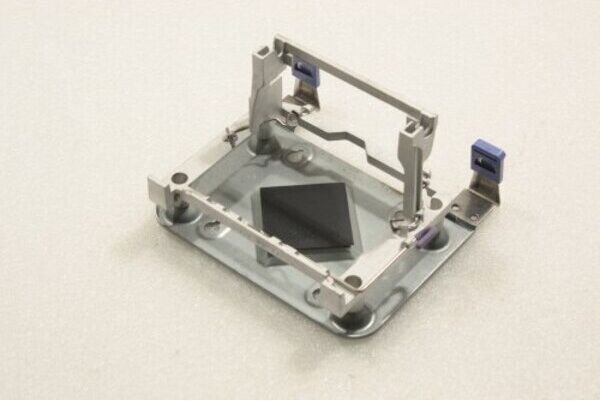
Which heatsink fits on which motherboard?
The compatibility of a heatsink with a motherboard depends on the socket type of the motherboard and the mounting mechanism of the heatsink. Generally, heatsinks are designed to be compatible with specific socket types such as LGA 1151, AM4, etc. It is important to check the specifications of both the motherboard and the heatsink to ensure compatibility. Additionally, some heatsinks come with multiple mounting brackets to accommodate different socket types, so it's important to verify that the heatsink includes the appropriate mounting hardware for your specific motherboard. **
-
Is the CPU cooler heatsink slightly crooked?
To determine if the CPU cooler heatsink is slightly crooked, you can visually inspect the cooler to see if it is not aligned properly with the CPU. You can also use a level or ruler to check if the heatsink is parallel to the surface of the motherboard. If the heatsink appears to be slightly crooked, it may affect the cooling performance and should be adjusted to ensure proper contact with the CPU. **
-
Do I need a heatsink for my M.2?
Yes, it is recommended to use a heatsink for your M.2 SSD, especially if you are using it for heavy workloads or gaming. M.2 SSDs can generate a significant amount of heat during operation, and a heatsink can help dissipate that heat, preventing thermal throttling and potentially extending the lifespan of the SSD. Additionally, some M.2 SSDs come with pre-installed heatsinks, but if yours does not, it is a good idea to invest in one for optimal performance and longevity. **
-
Is it worse or better to remove the heatsink from an M.2 and cool it with the heatsink of the motherboard?
It is generally better to keep the heatsink that comes with the M.2 SSD in place, as it is specifically designed to dissipate heat from the SSD. Removing the heatsink and using the motherboard's heatsink may not provide as efficient cooling, as it may not be designed to fit the specific dimensions and thermal requirements of the M.2 SSD. Additionally, removing the heatsink may void the warranty of the SSD. Therefore, it is recommended to keep the original heatsink in place for optimal performance and longevity of the M.2 SSD. **


Is it advisable to use a heatsink on an NVMe SSD?
It is generally not necessary to use a heatsink on an NVMe SSD as they are designed to operate efficiently without one. NVMe SSDs are built with thermal throttling mechanisms that help regulate their temperature during heavy usage. However, if you are experiencing high temperatures or plan to use the SSD for intensive workloads, adding a heatsink can help dissipate heat and potentially improve performance and longevity of the drive. Ultimately, it is advisable to monitor the temperature of the NVMe SSD and assess whether a heatsink is needed based on your specific usage scenario. **
How do I attach a heatsink to a Pentium 1 CPU?
To attach a heatsink to a Pentium 1 CPU, you will need to first apply a thin layer of thermal paste on top of the CPU. Then, carefully place the heatsink on top of the CPU, making sure it aligns with the mounting holes on the motherboard. Once the heatsink is in place, secure it using the appropriate mounting mechanism, such as clips or screws. Make sure the heatsink is firmly attached to the CPU to ensure proper heat dissipation. **
Top-Angebote
Products related to Heatsink:
-
Is an SSD heatsink necessary?
An SSD heatsink is not always necessary, but it can be beneficial in certain situations. SSDs can generate heat during operation, and a heatsink can help dissipate this heat more effectively, potentially improving performance and prolonging the lifespan of the SSD. However, the need for a heatsink depends on factors such as the type of SSD, the workload it will be subjected to, and the overall system cooling. If the SSD will be under heavy load or in a system with limited airflow, a heatsink may be a good investment to help maintain optimal performance and reliability. **
-
Is a heatsink important for OLED?
Yes, a heatsink is important for OLED displays. OLED displays can generate heat during operation, and a heatsink helps to dissipate this heat, preventing the display from overheating. Overheating can lead to decreased performance and reduced lifespan of the OLED display. Therefore, a heatsink is an important component in maintaining the optimal performance and longevity of OLED displays. **
-
Which heatsink fits on which motherboard?
The compatibility of a heatsink with a motherboard depends on the socket type of the motherboard and the mounting mechanism of the heatsink. Generally, heatsinks are designed to be compatible with specific socket types such as LGA 1151, AM4, etc. It is important to check the specifications of both the motherboard and the heatsink to ensure compatibility. Additionally, some heatsinks come with multiple mounting brackets to accommodate different socket types, so it's important to verify that the heatsink includes the appropriate mounting hardware for your specific motherboard. **
-
Is the CPU cooler heatsink slightly crooked?
To determine if the CPU cooler heatsink is slightly crooked, you can visually inspect the cooler to see if it is not aligned properly with the CPU. You can also use a level or ruler to check if the heatsink is parallel to the surface of the motherboard. If the heatsink appears to be slightly crooked, it may affect the cooling performance and should be adjusted to ensure proper contact with the CPU. **
Similar search terms for Heatsink
-
WD_BLACK SN850X 1TB M.2 2280 PCIe Gen4 NVMe SSD - With HeatsinkWD_BLACK SN850X 1TB NVMe SSD with Heatsink for PS5 & PC – High-Speed PCIe Gen4 Gaming Storage Description Upgrade your gaming experience with the powerful WD_BLACK SN850X 1TB NVMe SSD with integrated heatsink, designed for ultra-fast performance on PlayStation 5 and high-performance gaming PCs. Built for serious gamers, creators, and power users, this PCIe Gen4 NVMe SSD delivers exceptional speed, faster load times, and smoother gameplay performance. Engineered to handle demanding modern games and applications, the WD_BLACK SN850X helps reduce loading screens, texture pop-ins, throttling, and lag, allowing you to experience faster and more responsive gameplay. Ultra-Fast PCIe Gen4 Performance With read speeds up to 7,300MB/s, the WD_BLACK SN850X provides lightning-fast game loading, rapid file transfers, and improved system responsiveness for gaming and professional workloads. Optimized for PS5 and Gaming PCs Designed for compatibility with PlayStation 5 consoles and PCIe Gen4 gaming PCs, this SSD offers expanded storage and high-speed performance for modern AAA games and large applications. Integrated Heatsink Cooling The built-in heatsink helps maintain optimal operating temperatures during intense gaming sessions, reducing thermal throttling and ensuring consistent high-speed performance. Faster Load Times and Smoother Gameplay Experience reduced game loading times and smoother in-game streaming for a more immersive gaming experience without interruptions or lag. WD_BLACK Dashboard Support The downloadable WD_BLACK Dashboard software for Windows allows users to monitor drive health, optimize performance, and enable Game Mode 2.0 features for enhanced gaming responsiveness. Built for High-Performance Gaming Perfect for competitive gaming, content creation, video editing, streaming, and advanced computing tasks, the WD_BLACK SN850X combines speed, reliability, and premium gaming performance.406,99 £*Shipping: 0,00 £Secure redirect to the provider
-
Do I need a heatsink for my M.2?
Yes, it is recommended to use a heatsink for your M.2 SSD, especially if you are using it for heavy workloads or gaming. M.2 SSDs can generate a significant amount of heat during operation, and a heatsink can help dissipate that heat, preventing thermal throttling and potentially extending the lifespan of the SSD. Additionally, some M.2 SSDs come with pre-installed heatsinks, but if yours does not, it is a good idea to invest in one for optimal performance and longevity. **
-
Is it worse or better to remove the heatsink from an M.2 and cool it with the heatsink of the motherboard?
It is generally better to keep the heatsink that comes with the M.2 SSD in place, as it is specifically designed to dissipate heat from the SSD. Removing the heatsink and using the motherboard's heatsink may not provide as efficient cooling, as it may not be designed to fit the specific dimensions and thermal requirements of the M.2 SSD. Additionally, removing the heatsink may void the warranty of the SSD. Therefore, it is recommended to keep the original heatsink in place for optimal performance and longevity of the M.2 SSD. **
-
Is it advisable to use a heatsink on an NVMe SSD?
It is generally not necessary to use a heatsink on an NVMe SSD as they are designed to operate efficiently without one. NVMe SSDs are built with thermal throttling mechanisms that help regulate their temperature during heavy usage. However, if you are experiencing high temperatures or plan to use the SSD for intensive workloads, adding a heatsink can help dissipate heat and potentially improve performance and longevity of the drive. Ultimately, it is advisable to monitor the temperature of the NVMe SSD and assess whether a heatsink is needed based on your specific usage scenario. **
-
How do I attach a heatsink to a Pentium 1 CPU?
To attach a heatsink to a Pentium 1 CPU, you will need to first apply a thin layer of thermal paste on top of the CPU. Then, carefully place the heatsink on top of the CPU, making sure it aligns with the mounting holes on the motherboard. Once the heatsink is in place, secure it using the appropriate mounting mechanism, such as clips or screws. Make sure the heatsink is firmly attached to the CPU to ensure proper heat dissipation. **
* All prices are inclusive of VAT and, if applicable, plus shipping costs. The offer information is based on the details provided by the respective shop and is updated through automated processes. Real-time updates do not occur, so deviations can occur in individual cases. ** Note: Parts of this content were created by AI.