Buy patriziaspadafora.eu ?
We are moving the project
patriziaspadafora.eu .
Are you interested in purchasing the domain
patriziaspadafora.eu ?
domain@kv-gmbh.de · 0541-91531010
Buy patriziaspadafora.eu ?
What is better for aquariums: float glass or white glass?
Float glass is generally better for aquariums because it is more transparent and has fewer imperfections than white glass. This allows for better visibility into the aquarium and a more aesthetically pleasing display. Additionally, float glass is typically stronger and more durable, making it less likely to crack or break under the pressure of the water. Overall, float glass is the preferred choice for aquarium construction. **
How can one make sugar glass at home?
To make sugar glass at home, you will need to heat 3 1/2 cups of granulated sugar, 1 cup of water, and 1 cup of light corn syrup in a saucepan over medium heat. Stir the mixture constantly until the sugar dissolves and the mixture comes to a boil. Then, insert a candy thermometer and continue to cook the mixture until it reaches 300°F. Once it reaches the desired temperature, pour the mixture onto a greased baking sheet and allow it to cool and harden. Once it has hardened, you can break it into pieces to use as sugar glass for decorations or props. **
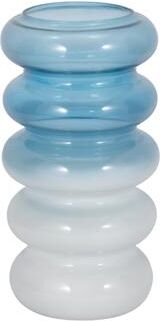

Similar search terms for Sagebrook-Home-Glass-White
Top-Angebote
Products related to Sagebrook-Home-Glass-White:
-
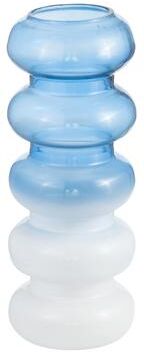
Sagebrook Home Glass Vase with Bold Bubble Design, Coastal StyleIntroducing the exquisite Sagebrook Home Glass Accordion Vase, designed to add an elegant touch to your wedding or home decor. This versatile vase is a must-have for enhancing your decor with its captivating color.57,74 $*Shipping: 0,00 $Secure redirect to the provider



-
Which container does white, non-transparent glass belong in?
White, non-transparent glass belongs in the container designated for clear glass recycling. While it may not be transparent, white glass is still considered clear glass and should be separated from other types of glass for recycling purposes. It is important to follow local recycling guidelines to ensure that the glass is properly sorted and recycled. **
-
What is the white film on the aquarium glass?
The white film on the aquarium glass is most likely a buildup of mineral deposits, algae, or bacteria. This can occur due to a variety of factors such as high levels of dissolved minerals in the water, inadequate cleaning, or excessive nutrients in the water. Regular maintenance and cleaning of the aquarium, including scrubbing the glass and performing water changes, can help prevent the buildup of this film. Using a water conditioner and maintaining proper water parameters can also help reduce the likelihood of this film forming. **
-
What are those small white circles on the aquarium glass?
The small white circles on the aquarium glass are most likely deposits of calcium or other minerals that have built up over time. These deposits can be caused by hard water or by excess nutrients in the water. They are generally harmless but can be unsightly. Regular cleaning and maintenance of the aquarium can help prevent the buildup of these deposits. **
-
What are the white, shrinking things on the aquarium glass?
The white, shrinking things on the aquarium glass are most likely a type of algae known as white spot algae or diatoms. Diatoms are common in newly established aquariums or aquariums with low light levels. They can be easily wiped off the glass with a sponge or algae scraper during regular aquarium maintenance. To prevent their growth, it is important to maintain proper lighting, water quality, and a balanced nutrient level in the aquarium. **

What are white-yellow sticky eggs on a glass door?
White-yellow sticky eggs on a glass door are likely to be insect eggs, such as those of a praying mantis or a lacewing. These eggs are often laid in clusters and have a sticky texture to help them adhere to surfaces. Once the eggs hatch, they will release young insects that will feed on pests in the area. **
What are the small white eggs on the aquarium glass?
The small white eggs on the aquarium glass are likely to be fish or snail eggs. Fish eggs are usually small, round, and translucent, while snail eggs are also small and can be found in clusters. It's important to identify the specific type of eggs to understand the breeding habits of the aquarium inhabitants and to provide appropriate care for the eggs and the offspring. **
Top-Angebote
Products related to Sagebrook-Home-Glass-White:
-
Sagebrook Home Glass Vase with Bold Bubble Design, Coastal StyleIntroducing the exquisite Sagebrook Home Glass Accordion Vase, designed to add an elegant touch to your wedding or home decor. This versatile vase is a must-have for enhancing your decor with its captivating color.32,76 $*Shipping: 0,00 $Secure redirect to the provider
-
Sagebrook Home Hennie Black & White Glass Vase CraftsmanshipElevate your space with the essence of elegance through Sagebrook Home's exquisite glass vase. Expertly crafted from the finest materials, this delicate piece is a testament to timeless beauty, poised to enhance any bouquet.75,99 $*Shipping: 0,00 $Secure redirect to the provider
-
Sagebrook Home Glass Vase with Bold Bubble Design, Coastal StyleIntroducing the exquisite Sagebrook Home Glass Accordion Vase, designed to add an elegant touch to your wedding or home decor. This versatile vase is a must-have for enhancing your decor with its captivating color.57,74 $*Shipping: 0,00 $Secure redirect to the provider
-
What is better for aquariums: float glass or white glass?
Float glass is generally better for aquariums because it is more transparent and has fewer imperfections than white glass. This allows for better visibility into the aquarium and a more aesthetically pleasing display. Additionally, float glass is typically stronger and more durable, making it less likely to crack or break under the pressure of the water. Overall, float glass is the preferred choice for aquarium construction. **
-
How can one make sugar glass at home?
To make sugar glass at home, you will need to heat 3 1/2 cups of granulated sugar, 1 cup of water, and 1 cup of light corn syrup in a saucepan over medium heat. Stir the mixture constantly until the sugar dissolves and the mixture comes to a boil. Then, insert a candy thermometer and continue to cook the mixture until it reaches 300°F. Once it reaches the desired temperature, pour the mixture onto a greased baking sheet and allow it to cool and harden. Once it has hardened, you can break it into pieces to use as sugar glass for decorations or props. **
-
Which container does white, non-transparent glass belong in?
White, non-transparent glass belongs in the container designated for clear glass recycling. While it may not be transparent, white glass is still considered clear glass and should be separated from other types of glass for recycling purposes. It is important to follow local recycling guidelines to ensure that the glass is properly sorted and recycled. **
-
What is the white film on the aquarium glass?
The white film on the aquarium glass is most likely a buildup of mineral deposits, algae, or bacteria. This can occur due to a variety of factors such as high levels of dissolved minerals in the water, inadequate cleaning, or excessive nutrients in the water. Regular maintenance and cleaning of the aquarium, including scrubbing the glass and performing water changes, can help prevent the buildup of this film. Using a water conditioner and maintaining proper water parameters can also help reduce the likelihood of this film forming. **
Similar search terms for Sagebrook-Home-Glass-White
-
What are those small white circles on the aquarium glass?
The small white circles on the aquarium glass are most likely deposits of calcium or other minerals that have built up over time. These deposits can be caused by hard water or by excess nutrients in the water. They are generally harmless but can be unsightly. Regular cleaning and maintenance of the aquarium can help prevent the buildup of these deposits. **
-
What are the white, shrinking things on the aquarium glass?
The white, shrinking things on the aquarium glass are most likely a type of algae known as white spot algae or diatoms. Diatoms are common in newly established aquariums or aquariums with low light levels. They can be easily wiped off the glass with a sponge or algae scraper during regular aquarium maintenance. To prevent their growth, it is important to maintain proper lighting, water quality, and a balanced nutrient level in the aquarium. **
-
What are white-yellow sticky eggs on a glass door?
White-yellow sticky eggs on a glass door are likely to be insect eggs, such as those of a praying mantis or a lacewing. These eggs are often laid in clusters and have a sticky texture to help them adhere to surfaces. Once the eggs hatch, they will release young insects that will feed on pests in the area. **
-
What are the small white eggs on the aquarium glass?
The small white eggs on the aquarium glass are likely to be fish or snail eggs. Fish eggs are usually small, round, and translucent, while snail eggs are also small and can be found in clusters. It's important to identify the specific type of eggs to understand the breeding habits of the aquarium inhabitants and to provide appropriate care for the eggs and the offspring. **
* All prices are inclusive of VAT and, if applicable, plus shipping costs. The offer information is based on the details provided by the respective shop and is updated through automated processes. Real-time updates do not occur, so deviations can occur in individual cases. ** Note: Parts of this content were created by AI.